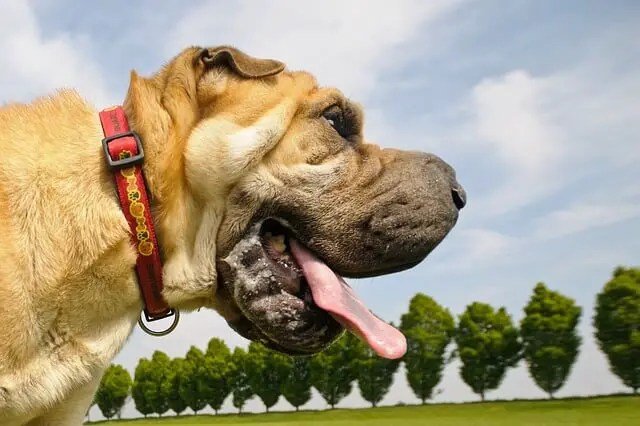
The slobbery kiss from your furry friend might be endearing, but when dog drool becomes a relentless river, leaving trails across your floors and furniture, it quickly shifts from charming to challenging. Managing Dog Drool & Mess isn't just about wiping up puddles; it's about understanding why your dog drools, knowing when it's a sign of a problem, and implementing smart strategies to keep your home cleaner and your pup healthier.
While a bit of drool is a normal part of being a dog parent, excessive or sudden changes in your dog's drooling habits warrant a closer look. Let's dive into creating a home environment that's both happy for your slobbery companion and tidy for you.
At a Glance: Key Takeaways for Managing Dog Drool
- Normal vs. Concerning: Understand that some drooling is natural, especially in certain breeds or situations like food anticipation.
- Red Flags: Sudden, excessive drooling often signals underlying health issues like dental problems, nausea, heatstroke, or toxin exposure.
- Act Fast: If sudden drooling is accompanied by other worrying symptoms (vomiting, lethargy, pain), seek immediate veterinary attention.
- Breed & Anatomy Play a Role: Breeds with loose jowls are naturally more prone to drooling.
- Prevention & Management: Proactive cleaning, using drool-absorbing accessories, and maintaining good hydration are key.
- Regular Vet Checks: Essential for catching potential health issues early, which can manifest as increased drooling.
When Drool Signals Trouble: More Than Just a Mess
Occasional drooling, like when your dog sees their dinner bowl, is perfectly normal. It's the sudden, unexplained increase or constant, heavy drooling that should catch your attention. This isn't just about a messy floor; it could be your dog trying to tell you something important about their health.
A sudden surge in saliva can be a reaction to irritation, illness, stress, or even more serious underlying conditions like organ disease or poisoning. Understanding these potential causes is the first step in responsible pet ownership. For a complete deep dive into the why and how of canine slobber, check out our comprehensive guide to everything about doggie drool.
Dental Distress: A Painful Cause of Drooling
Imagine having a toothache—the pain can be intense, and it might even make your mouth water. Dogs experience something similar. Decayed teeth, infected gums, or painful abscesses are common culprits behind increased salivation. These issues cause discomfort, leading the dog to produce more saliva as a natural response to try and soothe the irritation or wash away bacteria.
Watch for these accompanying signs:
- Bad breath (halitosis)
- Pawing at their mouth or rubbing their face
- Bleeding gums
- Reluctance to eat hard food or chewing on only one side
- Visible tartar buildup or missing teeth
Untreated dental infections can spread to other parts of the body, affecting organs like the heart and kidneys. Regular dental check-ups and at-home care are crucial. If you suspect dental problems, a vet visit is essential. Dive deeper into our comprehensive guide to canine dental health to keep your pup's pearly whites in top condition.
The Queasy Canine: Nausea and Upset Stomachs
Just like humans, dogs often drool when they feel nauseous. An upset stomach, whether from motion sickness during a car ride, dietary indiscretion (eating something they shouldn't have), pancreatitis, or even early stages of toxin ingestion, can trigger excessive saliva production. It's your dog's body preparing to vomit or trying to soothe an irritated digestive tract.
Look out for these additional clues:
- Lip licking
- Pacing or restlessness
- Gulping
- Lack of appetite
- Vomiting (of course) or dry heaving
If your dog is showing signs of nausea and excessive drooling, it's wise to withhold food for a few hours and monitor them closely. Persistent nausea warrants a call to your vet.
Overheating: A Dangerous Drip
Heatstroke is a life-threatening emergency where a dog's body temperature rises dangerously high. Dogs don't sweat efficiently through their skin like humans do; instead, they cool down primarily by panting, which involves increased salivation. While panting is normal, excessive drooling, especially thick, ropey saliva, combined with other symptoms, is a dire warning sign. Breeds with short muzzles (brachycephalic breeds) like Bulldogs, Pugs, and Boxers are particularly susceptible, as are dogs exercised vigorously in warm weather.
Emergency indicators include:
- Heavy, rapid panting that doesn't subside
- Lethargy or weakness
- Vomiting (sometimes with blood) or diarrhea
- Dizziness or disorientation
- Bright red gums or tongue
- Seizures or collapse
If you suspect heatstroke, immediate veterinary care is critical. Move your dog to a cooler area, offer small amounts of water, and apply cool (not ice-cold) water to their body, especially their paws and groin, while en route to the vet. Learning how to recognize and prevent dog heatstroke can save your dog's life.
Toxin Exposure or Foreign Object: An Urgent Situation
Ingesting harmful substances or having something stuck in their mouth or throat can cause immediate and intense irritation, leading to profuse drooling. Common culprits include household cleaners, poisonous plants, human medications, certain foods like xylitol or grapes, or even foreign objects like sticks, bones, or bits of toys. The drool is a natural attempt to dilute or flush out the irritant.
Other signs requiring immediate attention:
- Paw tapping at the mouth or rubbing their face
- Gagging, coughing, or difficulty swallowing
- Distress, agitation, or sudden lethargy
- Vomiting or diarrhea
- Seizures
This is an emergency. If you suspect your dog has ingested a toxin or has an object lodged in their mouth/throat, contact your veterinarian or contacting pet poison control immediately. Do not induce vomiting unless specifically instructed by a professional.
Mouth Injuries: Hidden Wounds
Cuts, burns, or sores inside your dog's mouth can be incredibly painful and cause significant drooling. This can happen from chewing on sharp objects (bones, sticks), electrical cords, or general trauma. The pain and inflammation trigger increased saliva production.
Look for:
- Blood-tinged saliva
- Reluctance to chew or eat
- Visible wounds, swelling, or discoloration inside the mouth
- Difficulty closing their mouth properly
- Limping if a paw was used to scratch at the mouth
A thorough examination of your dog's mouth, if safe to do so, might reveal the injury. However, if you cannot see anything obvious or suspect a deep injury, a vet visit is warranted. Understand first aid for common dog injuries to be prepared.
Chronic Organ Disease: Systemic Issues
Less obvious but equally serious, chronic organ diseases like kidney or liver failure can lead to a buildup of toxins in the body. This toxicity often causes nausea, loss of appetite, and consequently, increased salivation. These conditions progress over time and usually come with a host of other symptoms.
Consider these broader health signals:
- Significant weight loss or poor appetite
- Persistent vomiting
- Changes in thirst (drinking more or less)
- Changes in urination frequency or volume
- Lethargy or weakness
If you observe these chronic symptoms alongside persistent drooling, it's crucial to seek prompt veterinary attention for diagnosis and management.
Immediate Steps & When to Call the Vet
When your dog suddenly starts drooling excessively, it's natural to feel concerned. Here’s a quick guide on what to do and when to reach for the phone.
At-Home Steps for Sudden Drooling:
- Perform a Mouth Check (Carefully): Gently open your dog’s mouth and look for anything obvious. Are there visible injuries, swelling, or something stuck like food or a stick? If you see a foreign object, do not attempt to pull it out unless it is clearly loose and easily removable without force, as you could cause more damage or be bitten.
- Keep Them Cool: If the drooling started after exercise or time outdoors, move your dog to a cool, shaded area immediately. Offer small amounts of fresh, cool water.
- Offer Fresh Water (Don't Force): Ensure a bowl of fresh water is available, but don't try to force your dog to drink if they appear nauseous or uncomfortable.
- Withhold Food: Avoid giving any food until you have a better understanding of the cause. Feeding can worsen nausea or irritate an already sensitive mouth.
- Observe Closely: Watch for any other developing symptoms like vomiting, diarrhea, weakness, difficulty breathing, changes in gum color, or signs of pain.
When to Seek Veterinary Care:
- Immediately (This is an Emergency!):
- If drooling is accompanied by vomiting, lethargy, difficulty swallowing, signs of pain, collapse, heavy panting, disorientation, or distress.
- After suspected toxin exposure (e.g., poisonous plants, xylitol, cleaning products).
- If your dog chewed something sharp or sustained a mouth injury.
- After prolonged exposure to hot conditions, especially if heavy panting and weakness are present.
- Promptly (Within a Few Hours):
- If drooling continues for more than a few hours without an obvious cause.
- If drooling is accompanied by other worrying symptoms that are not immediately life-threatening but cause concern (e.g., reduced appetite, mild restlessness).
- If Persistent (Within a Day or Two):
- If drooling lasts for more than a day or two without an obvious cause, or if it resolves but then returns. This can signal an underlying condition that requires veterinary diagnosis and treatment.
Remember, when in doubt, it’s always better to err on the side of caution and consult your veterinarian. They can accurately diagnose the issue and provide appropriate treatment. For guidance on what to do in a pet emergency, our guide can help.
The Natural Slobber Squad: Breeds & Situational Triggers
Not all drooling is cause for alarm. Some dogs are simply built to drool, and certain everyday situations can naturally increase saliva production.
Born to Drool: Genetic Predisposition
Certain dog breeds are genetically predisposed to produce more saliva and, more importantly, are less effective at keeping it in their mouths. This is largely due to their unique mouth structure. Dogs with loose, sagging jowls (like the iconic Saint Bernard or a Mastiff) have lips that cannot effectively contain saliva, leading to easy escape, especially when they shake their heads, get excited, or simply open their mouths.
The shape and looseness of their lips, often coupled with wrinkles and folds around the mouth, create perfect channels and collection points for saliva to flow freely. This isn't a flaw; it can even be a functional adaptation, aiding in food breakdown, mouth lubrication, and helping with body temperature regulation.
Naturally Drooly Breeds:
- Saint Bernards: Famous for their jowls and the associated drool.
- Bloodhounds: Their long, pendulous ears and loose skin contribute to their drooling tendency.
- Mastiffs (all types): Large, powerful, and often quite slobbery.
- Newfoundlands: Big, furry, water-loving dogs known for their drool.
- Bulldogs (English, French, American): Their brachycephalic (short-nosed) structure often comes with loose lips.
Conversely, breeds with tighter lips, like Greyhounds and Huskies, tend to drool significantly less.
Situational Salivation: Everyday Triggers
Beyond breed, several everyday scenarios can trigger increased drooling in almost any dog:
- Food Anticipation: This is classic Pavlovian conditioning! When your dog sees, smells, or hears you preparing their food, their salivary glands kick into overdrive, preparing for digestion.
- Excitement or Anxiety: Big emotions can ramp up saliva production. Meeting new people, exciting playtime, car rides, or even stressful situations can lead to a bit of extra slobber. If your dog gets anxious, exploring effective strategies for managing dog anxiety could help.
- Heat: As mentioned earlier, dogs pant to cool down. Increased saliva production is part of this process, helping to dissipate heat through evaporation from the tongue and mouth.
- Exercise: Just like heat, strenuous exercise increases body temperature and panting, leading to more drool.
Recognizing these natural triggers helps distinguish normal behavior from potential health concerns. If your naturally drooly dog only slobbers more when dinner is served or after a long run, it's likely just part of being a dog!
Practical Strategies for a Drier, Cleaner Home
Living with a naturally drooly dog doesn't mean resigning yourself to a perpetually sticky home. With a few smart strategies and consistent habits, you can significantly reduce the mess and keep your living space fresh.
The Towel & Wipe Brigade: Your First Line of Defense
This is perhaps the simplest yet most effective strategy.
- Strategic Towel Placement: Keep soft, absorbent towels or dedicated "drool rags" strategically placed around your home. Near your dog's bed, by the water bowl, near the front door, and in areas where your dog frequently hangs out (like under the coffee table).
- Regular Wipes: Get into the habit of gently wiping your dog's face, especially around their jowls and chin, after meals, drinks, and exciting activities. A quick wipe can prevent a lot of mess from accumulating or being shaken onto walls.
- Facial Fold Care: For breeds with prominent facial folds (like Bulldogs or Pugs), regular cleaning of these areas is critical. Saliva, food particles, and moisture can get trapped, leading to skin irritation, infections, and unpleasant odors. Use a damp cloth or pet-specific wipes to clean these folds daily, then ensure they are thoroughly dried to prevent yeast or bacterial growth.
Drool-Friendly Accessories: Gear Up for Slobber
- Drool Bibs & Bandanas: These aren't just fashion statements! A well-fitting drool bib or bandana made from absorbent material can catch a surprising amount of slobber before it ever reaches your floor or furniture. Look for washable options and have several on hand so you always have a clean one. Change them regularly to maintain hygiene.
- Raised Bowls: Some dogs, especially larger breeds, find it easier to eat and drink from raised bowls, which can reduce spillage and, in some cases, lessen the amount of drool escaping their mouth during meals.
- Water Bowl Management: Consider a "spill-proof" or "no-splash" water bowl designed to minimize water tracking and splashing, especially if your dog tends to dunk their entire face when drinking. Placing the water bowl on an easy-to-clean mat can also save your floors.
Home Hygiene: Keeping Surfaces Spotless
- Protective Coverings: Invest in washable slipcovers for couches, throws for chairs, and waterproof bed covers for your dog's bed. These are far easier to toss in the wash than cleaning upholstery directly.
- Floor Cleaning Routines: Regular sweeping, vacuuming, and mopping are your best friends. For hard floors, use pet-safe cleaners. For carpets, consider a spot cleaner specifically designed for pet messes. Enzymatic cleaners are excellent for breaking down organic matter (like saliva) and eliminating odors.
- Wall & Furniture Wipes: Keep a microfiber cloth and a mild, pet-safe cleaner handy for quick wipe-downs of walls, furniture legs, and other surfaces your dog might brush against or shake drool onto.
- Air Freshening: While cleaning is paramount, a pet-safe air purifier can help manage any lingering "doggy smell" that can sometimes accompany heavy drooling, especially if facial folds aren't cleaned diligently.
Hydration & Environment: Proactive Measures
- Consistent Hydration: Always provide access to fresh, clean water. Dogs naturally drool more when dehydrated, and proper hydration is crucial for overall health.
- Temperature Control: Keep your home comfortably cool, especially during warmer months. Overheating can significantly increase drooling and poses a health risk. Utilize fans, air conditioning, and ensure shaded areas if your dog spends time outdoors.
- Manage Excitement: While you don't want to curb your dog's joy, try to manage overly excitable situations. For instance, when guests arrive, have a towel ready, or distract your dog with a favorite toy to channel their energy.
Addressing Common Drool-Related Questions
"My dog only drools when we're about to go for a walk. Is that normal?"
Absolutely! This is a classic example of food or anticipation drooling. Your dog associates the cues (leash, getting ready, certain words) with an exciting event, and their body gets ready for action, including increased saliva production. It's a sign of a happy, engaged dog!
"Can diet affect how much my dog drools?"
While a balanced diet is crucial for overall health, changes in diet aren't a direct cause of excessive drooling unless the new food causes an allergic reaction, an upset stomach, or has a texture that's difficult for your dog to chew (which could point to underlying dental issues). If drooling starts after a diet change, monitor for other signs of discomfort or allergy.
"Are there any supplements that can reduce drooling?"
There are no safe or recommended supplements specifically designed to reduce drooling, especially if the drooling is natural to the breed or situational. If excessive drooling is due to a health issue, the focus should be on treating the underlying condition, not masking the symptom. Always consult your vet before giving any supplements.
"My dog is licking themselves a lot, and also drooling more. What does that mean?"
Increased licking and drooling can often go hand-in-hand, especially if the dog is experiencing nausea, oral pain, or anxiety. Licking can be a self-soothing behavior. If you notice both, it's a strong indicator that something is bothering your dog, and a vet visit is highly recommended to pinpoint the cause.
The Bottom Line: Stay Observant, Stay Proactive
Managing dog drool and mess is an ongoing part of life for many pet parents. By understanding the nuances of canine salivation—from natural breed tendencies and situational excitement to the critical warning signs of health issues—you empower yourself to be a more informed and proactive caregiver.
Keep those towels handy, maintain a clean environment, and most importantly, stay observant of your dog's behavior. A sudden change in drooling patterns is a clear signal that your furry companion needs your attention. With a little diligence and a lot of love, you can ensure a cleaner, healthier, and happier home for everyone, slobbery kisses and all.