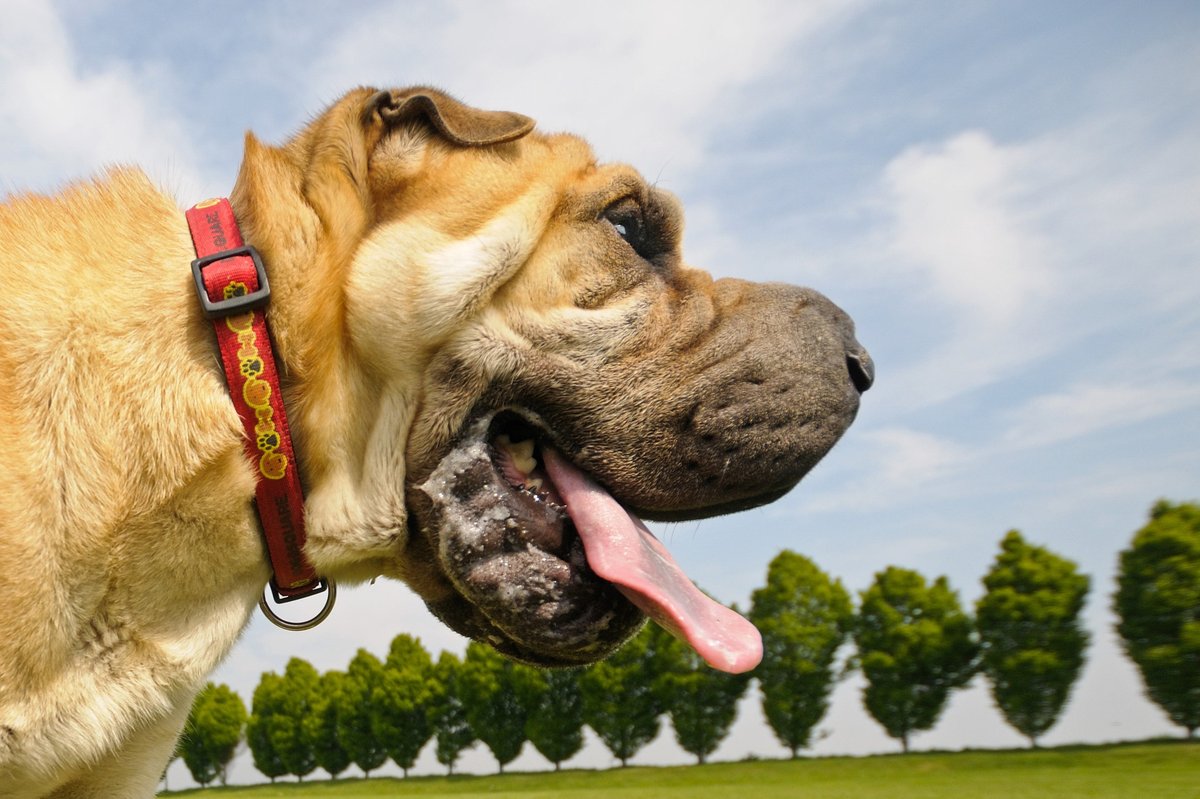
Your beloved canine companion offers boundless joy, comfort, and, let's be honest, sometimes a little bit of slobber. A bit of drool during dinner prep or an excited greeting is just part of the dog package, especially for breeds like Saint Bernards, Bloodhounds, Mastiffs, or Newfoundlands, whose jowls are practically designed for it. But what about when the drooling starts feeling… different? What if it's sudden, excessive, or accompanied by other concerning signs? That's when your journalist's instinct kicks in, and you start looking for the real story behind the slobber. Understanding the Health Conditions Linked to Dog Drooling can be the key to catching a problem early and keeping your best friend healthy.
This isn't about fear-mongering; it's about empowering you with knowledge. While occasional drooling is perfectly normal, a sudden shift in your dog's salivation patterns often signals an underlying medical issue that needs your attention.
At a Glance: What You Need to Know About Dog Drooling
- Normal vs. Not Normal: Occasional drooling (excitement, hunger, certain breeds) is fine. Sudden, excessive drooling without a clear trigger is a red flag.
- Common Culprits: Dental issues, stress, toxin ingestion, heatstroke, foreign objects, and various illnesses can all cause hypersalivation.
- When to Act Fast: If drooling comes with vomiting, lethargy, dizziness, pawing at the mouth, or difficulty breathing, contact your vet immediately.
- First Steps: Check your dog's mouth, consider recent environmental changes, and always consult a vet if you're concerned.
- Prevention: Regular dental care, a safe home environment, and managing stress can go a long way.
Beyond the Happy Slobber: When Drooling Becomes a Warning Sign
It's easy to dismiss a little slobber, especially if your dog is a natural drooler. Picture a Mastiff eagerly awaiting a treat, or a Golden Retriever panting happily after a run—that’s normal. Even temporary hypersalivation due to excitement, anticipation of food, or mild car sickness is usually nothing to worry about. Think of it as a normal canine function, a bit like a human's mouth watering.
However, when the drooling changes—it's unusually heavy, persistent, starts suddenly without a clear reason, or is accompanied by other worrying symptoms—your instincts are probably right. This isn't just a quirky habit; it's your dog's way of telling you something's wrong. Understanding the difference between a natural phenomenon and a distress signal is the first, crucial step in protecting your pet's health.
For a deeper dive into the world of canine salivation, including everything from the mundane to the alarming, you might find this comprehensive resource useful: Everything about doggie drool.
The Usual Suspects: Health Conditions Behind Excessive Drooling
Let's break down the most common Health Conditions Linked to Dog Drooling, from the relatively benign to those requiring urgent veterinary care. Each category comes with its own set of clues, helping you narrow down the possibilities and decide on the best course of action.
Dental Drama & Mouth Mayhem: When Oral Health Goes South
One of the most frequent (and often overlooked) causes of excessive drooling stems directly from your dog's mouth. Just like humans, dogs can suffer from a range of oral issues that cause pain, discomfort, and inflammation, leading to increased saliva production as a coping mechanism or simply because the mouth can't close properly.
- Dental Disease: This is a big one. Over 80% of dogs have some form of dental disease by age three. Tartar buildup, gingivitis (gum inflammation), and periodontitis (advanced gum disease) don't just cause bad breath; they're incredibly painful. The irritation and infection trigger hypersalivation. You might notice yellow or brown buildup on teeth, red and swollen gums, difficulty eating, or pawing at the mouth. Foul-smelling breath is a hallmark sign.
- Oral Injuries: Imagine biting down on something hard and chipping a tooth, or getting a splinter from a chew toy lodged in your gum. Dogs experience similar traumas. Broken or fractured teeth, cuts or sores on the gums, tongue, or inner cheek, and even abscesses (pus-filled infections) beneath the gum line can cause intense pain and lead to drooling.
- Oral Growths: While less common, benign or malignant tumors, cysts, or warts in the mouth can obstruct normal swallowing, irritate tissues, or simply take up space, resulting in drooling.
What to Look For:
Keep an eye out for visible damage to teeth or gums, swelling, reluctance to eat hard food, crying out when eating, blood in saliva, or unusually bad breath. Regular dental check-ups (at least twice a year) and consistent home brushing are your best defense. For practical advice on maintaining a healthy mouth, check out these Essential Tips for Your Dog's Oral Health.
Stress, Anxiety, and Motion Sickness: The Emotional Connection
Our dogs are emotional creatures, and sometimes their internal state manifests physically. Hypersalivation can be a direct physiological response to stress, anxiety, or even simple motion sickness.
- Anxiety: Whether it's separation anxiety, fear of thunderstorms or fireworks, or generalized anxiety about unfamiliar environments, stress hormones can kick the salivary glands into overdrive. Your dog might also pace, whine, pant excessively, hide, or be destructive.
- Motion Sickness: Many dogs experience nausea and anxiety during car rides. The combination of motion and the unsettling feeling in their stomach can lead to profuse drooling, often accompanied by lip-licking, restlessness, yawning, and eventually vomiting.
- Fear/Excitement: While not usually a "health condition," extreme excitement or fear can temporarily trigger significant drooling. A trip to the vet, for example, might result in a drooling mess due to nerves.
What to Look For:
Consider recent changes in routine, loud noises, travel plans, or new people/pets. If the drooling subsides once the stressor is removed, it’s likely stress-related. If you suspect anxiety is the root cause of your dog’s drooling, exploring Dog Drooling and Anxiety: Causes and Solutions can provide valuable insights and coping strategies.
The Perils of Poisons and Poor Picks: When Danger Enters the Mouth
This is one of the most critical categories requiring immediate action. Ingesting something harmful—whether toxic, spoiled, or a foreign object—can trigger an intense drooling response as the body tries to flush out or dilute the irritant.
- Toxin Ingestion: This is an emergency. Dogs are notorious for eating things they shouldn't. Common household toxins include:
- Plants: Azaleas, tulips, chrysanthemums, sago palms, lilies, and many others.
- Human Medications: Even small doses can be lethal.
- Household Chemicals: Cleaners, antifreeze, rodenticides, insecticides.
- Certain Foods: Chocolate, xylitol (sweetener), grapes/raisins, onions, garlic.
- Spoiled Food: Bacteria and toxins in rotten food can cause severe gastrointestinal upset and drooling.
- Irritants: Even non-toxic but irritating substances (like a bitter-tasting plant, certain soaps, or strong spices) can cause immediate, excessive drooling as the dog tries to get rid of the unpleasant taste or sensation.
What to Look For:
Sudden, profuse drooling, often accompanied by vomiting, diarrhea, lethargy, trembling, seizures, disorientation, or difficulty breathing. If you suspect your dog has ingested a toxin, call your vet or an emergency animal hospital immediately. Time is of the essence. For a comprehensive list of what to keep away from your dog, consult A Guide to Toxic Foods for Dogs.
Overheating Horrors: Heatstroke and Excessive Panting
During hot weather or intense exercise, dogs rely on panting to cool themselves down. While panting involves increased salivation, excessive drooling—often thick and foamy—coupled with rapid, heavy panting is a critical sign of heatstroke.
- Heatstroke: When a dog's body temperature rises dangerously high, their natural cooling mechanisms become overwhelmed. Drooling becomes profuse as the body tries desperately to dissipate heat. Other critical signs include bright red gums, lethargy, disorientation, staggering, vomiting, diarrhea, and eventually collapse. This is a life-threatening emergency.
What to Look For:
Drooling in hot weather, after intense exercise, or if the dog has been confined to a hot space. Accompanying symptoms like excessive panting, weakness, confusion, or dark red gums are urgent indicators. Preventing heatstroke involves providing fresh water, limiting exercise on hot days, and never leaving your dog in a parked car. Learn how to identify and prevent this serious condition with Recognizing and Preventing Dog Heatstroke.
Something's Stuck! Foreign Objects in the Mouth or Throat
Curious canines often explore the world with their mouths, which can sometimes lead to trouble. A foreign object lodged in the mouth, between teeth, under the tongue, or further down in the throat can cause significant distress and drooling.
- Common Objects: Bone fragments, stick pieces, fish hooks, fabric, string, or even a piece of tough rawhide can become stuck.
- How it Causes Drooling: The object causes irritation, pain, or physically obstructs normal swallowing. The dog will often try to dislodge it with their paws, increased licking, or gulping. The body also produces more saliva in an attempt to wash the object away.
What to Look For:
Sudden onset of drooling, often with pawing at the mouth, gagging, difficulty swallowing, rubbing the face, or excessive licking of the lips. You might also notice bad breath if the object has been there for a while and caused an infection.
Underlying Illnesses: A Deeper Dive Into Systemic Issues
Sometimes, excessive drooling is just one symptom of a larger, systemic health problem affecting other body systems. These conditions are varied and often require a professional diagnosis.
- Gastrointestinal Disorders: Any condition causing severe nausea, reflux, or stomach upset can lead to hypersalivation. This includes inflammatory bowel disease, pancreatitis, or severe stomach viruses. The drooling is often a precursor to vomiting.
- Kidney or Liver Disease: As these organs fail, toxins can build up in the bloodstream, leading to nausea, loss of appetite, and often excessive drooling (uremic stomatitis). The drooling can also be a sign of dehydration associated with these diseases.
- Neurological Conditions: Certain neurological issues can affect the nerves that control swallowing and saliva production.
- Seizures: During a seizure, a dog might drool excessively, sometimes with foaming at the mouth. This is due to muscle spasms and loss of control over bodily functions.
- Rabies: While rare in vaccinated dogs, rabies affects the nervous system, causing neurological signs, including profuse drooling (foaming at the mouth), difficulty swallowing, and behavioral changes. It's almost always fatal.
- Bloat (Gastric Dilatation-Volvulus - GDV): This life-threatening condition occurs when the stomach fills with gas and twists. One of the early signs can be excessive drooling due to pain and difficulty swallowing, along with a distended abdomen, restlessness, and unsuccessful attempts to vomit.
- Upper Respiratory Infections: Conditions like kennel cough or other viral/bacterial infections can cause irritation in the throat, leading to coughing, gagging, and increased saliva production.
What to Look For:
Drooling accompanied by other symptoms like vomiting, diarrhea, lethargy, changes in appetite or drinking habits, weight loss, abdominal distension, coughing, difficulty breathing, seizures, or behavioral changes. The combination of symptoms is key here.
When Drooling Demands Immediate Attention: Red Flags to Watch For
While occasional drooling is normal, certain signs should trigger an immediate call to your veterinarian. This isn't a "wait and see" situation; prompt action can be life-saving. You might want to keep this list handy for quick reference: When to Worry About Dog Drooling.
Seek Veterinary Care PROMPTLY if you observe:
- Sudden Onset, No Apparent Trigger: If your dog suddenly starts drooling profusely without any obvious reason (like seeing food or being excited), it's a major red flag.
- Accompanying Vomiting or Diarrhea: These combined symptoms strongly suggest gastrointestinal distress, toxin ingestion, or severe illness.
- Lethargy or Weakness: If your dog is unusually tired, sluggish, or struggling to move.
- Dizziness or Disorientation: Stumbling, appearing confused, or having trouble standing.
- Difficulty Breathing or Excessive Panting: Rapid, shallow breaths, gasping, or visible distress.
- Pawling at the Mouth, Gagging, or Difficulty Swallowing: These point directly to an oral injury, foreign object, or throat irritation.
- Visible Bleeding: From the mouth or in the saliva.
- Increased Thirst or Urination: Could indicate kidney disease, diabetes, or other systemic issues.
- Restlessness or Inability to Get Comfortable: Often a sign of pain or severe discomfort.
- Swelling: Especially around the face or neck.
- Changes in Gum Color: Pale, blue, or very bright red gums can indicate serious problems.
- Foul-Smelling or Thick Saliva: Suggests infection or a more severe oral problem.
- Seizures or Tremors: Neurological involvement requires emergency attention.
Remember, your dog can't tell you what's wrong. You are their advocate. When in doubt, a quick call to your vet is always the safest option. They can help you assess the urgency and guide your next steps.
Your Action Plan: What to Do When Your Dog Won't Stop Drooling
Seeing your dog drooling excessively can be alarming. Staying calm and methodical will help you gather the necessary information for your vet and provide comfort to your pet.
- Safety First: Observe from a Distance (Initially).
If your dog seems distressed or in pain, approach cautiously. A dog in pain might lash out. Start by observing their overall demeanor and any other symptoms without direct contact if they seem agitated. - Inspect Their Mouth (Carefully!):
If your dog is calm, gently try to open their mouth and look inside. Use a flashlight if needed.
- What to Look For: Any foreign objects (sticks, bones, string), cuts, swelling, redness, discolored teeth, or anything that looks out of place.
- Smell Test: Is there a foul odor beyond typical "dog breath"? This often points to dental disease or infection.
- Saliva Check: Is the saliva thick, foamy, or bloody? Note its consistency and color.
- Scan the Environment:
Think like a detective. What could your dog have gotten into?
- Recent Stressors: Have there been thunderstorms, fireworks, travel, or unfamiliar visitors?
- Potential Toxins: Any spilled chemicals, new plants, open trash cans, dropped medications, or "forbidden" human foods accessible?
- Heat Exposure: Has your dog been outside in hot weather, or exercising intensely?
- New Chews/Toys: Could a new item have splintered or caused an injury?
- Check for Other Symptoms:
As highlighted in the "Red Flags" section, note down everything else you observe: vomiting, diarrhea, lethargy, panting, pawing at the face, restlessness, changes in appetite or water intake, or any behavioral shifts. The more details you provide, the better your vet can help. - Comfort Your Dog:
Maintain a calm and reassuring demeanor. Your anxiety can easily transfer to your dog. Speak in soft tones, offer gentle petting (if they tolerate it), and create a quiet, comfortable space for them. If motion sickness is suspected, try to limit further movement. - Contact Your Veterinarian (This is Crucial!):
Regardless of what you find, if the drooling persists, is profuse, or is accompanied by any concerning symptoms, call your vet immediately. Describe everything you’ve observed. They will advise you on whether to come in for an emergency visit or if it can wait.
- Be Prepared: Your vet will ask about the onset of drooling, duration, amount, color/consistency, accompanying symptoms, any potential exposures, and your dog's medical history.
- Follow Veterinary Instructions:
Treatment will vary widely depending on the underlying cause. It could involve antibiotics for infections, dental procedures, medications for nausea or anxiety, removing foreign objects, or supportive care for toxin ingestion or heatstroke. Never attempt to diagnose or treat serious conditions yourself.
Prevention is Key: Keeping Drool at Bay (the Bad Kind)
An ounce of prevention is worth a pound of slobber. Many of the conditions leading to problematic drooling are preventable with proactive care.
- Prioritize Dental Hygiene: Regular brushing (aim for daily!), dental chews, and annual professional dental cleanings are crucial. Don't wait until you see tartar; by then, it's often an advanced problem.
- "Dog-Proof" Your Home: Get down on your hands and knees and look for potential hazards. Secure all toxic chemicals, medications, and human foods. Identify and remove any toxic plants from your home and yard.
- Supervise Chewing: Always supervise your dog when they're enjoying bones, chew toys, or rawhides to prevent choking or lodged fragments. Choose appropriate, safe chews.
- Manage Stressors: If your dog is prone to anxiety (e.g., thunderstorms, car rides), work with your vet to develop a management plan. This might include behavioral modification, calming supplements, or prescribed anti-anxiety medication for specific events.
- Prevent Heatstroke: On hot days, limit outdoor exercise to early mornings or late evenings. Always provide access to fresh, cool water and shade. Never, ever leave your dog in a car.
- Routine Veterinary Check-ups: Annual or semi-annual exams help catch underlying health issues (like organ disease) before they become severe, often before outward symptoms like excessive drooling appear.
- Vaccinations: Keep your dog up-to-date on all vaccinations, especially rabies, even if they're an indoor dog.
Leveraging Technology for Early Detection
In our increasingly connected world, technology offers new ways to monitor our pets' health. Devices like pet smart collars, while not a substitute for veterinary care, can provide valuable insights into your dog's baseline health and alert you to subtle changes that might otherwise go unnoticed.
- Real-time Monitoring: Many smart collars track activity levels, sleep patterns, heart rate, and respiratory rate. A sudden drop in activity, an increase in restlessness, or changes in breathing could be an early indicator of discomfort or illness.
- Behavioral Shifts: Some advanced systems can learn your dog's normal behaviors and flag deviations. If your dog starts pacing more, scratching excessively, or exhibiting other subtle signs of discomfort that might accompany internal issues causing drooling, the collar could provide an early heads-up.
- Contextual Data: By integrating data from a smart collar with your own observations, you can provide your vet with a more complete picture of your dog's health trends, aiding in quicker and more accurate diagnoses.
These tools are not diagnostic, but they are powerful allies in proactive pet care, giving you more data points to discuss with your veterinarian.
Your Dog's Health, Your Peace of Mind
Understanding the Health Conditions Linked to Dog Drooling is about being an informed, responsible pet parent. While it's easy to get caught up in fear when you see something amiss, the goal is always clear-headed action. By distinguishing between normal slobber and a cry for help, you can respond appropriately and quickly, ensuring your furry family member gets the care they need.
The bond we share with our dogs is precious. Being vigilant about their health, from their dental hygiene to their emotional well-being, is a core part of that bond. So, the next time your dog unleashes an unexpected stream of drool, you'll be equipped not just with a towel, but with the knowledge to read the signs and advocate for their health. Early detection and a swift, informed response are truly crucial for your dog's well-being and your peace of mind.