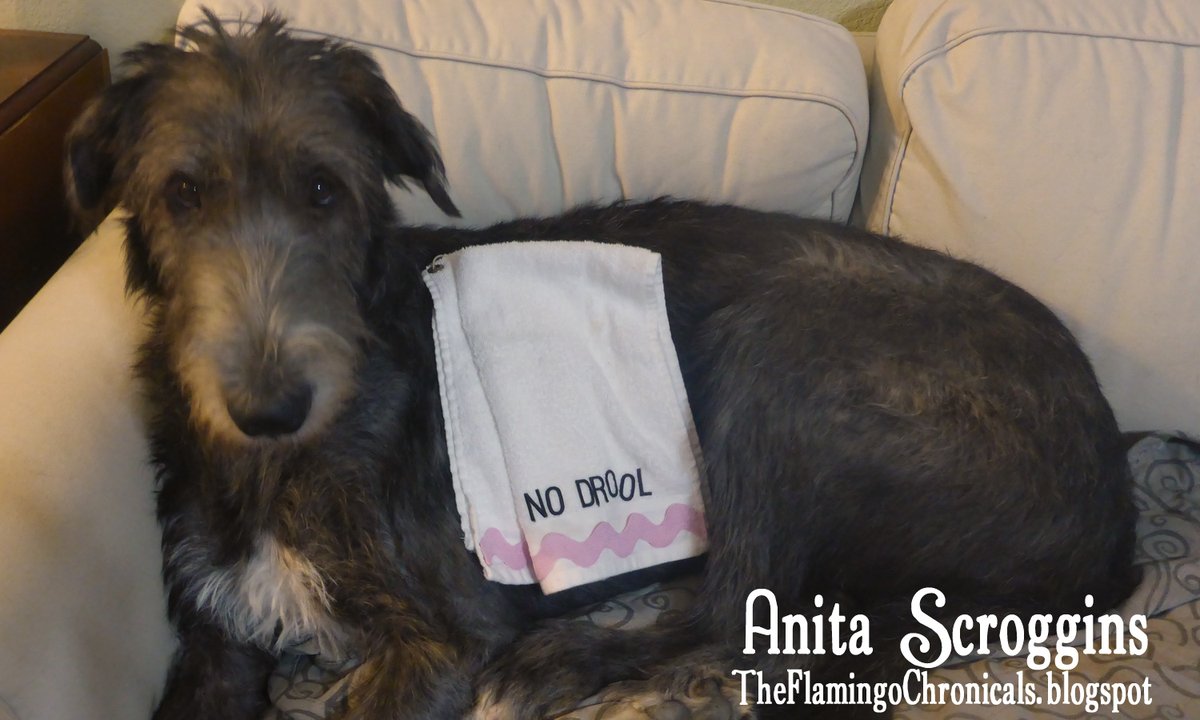
Ah, the ubiquitous slobber! If you share your life with a dog, chances are you’ve experienced the joy (and occasional mess) of doggie drool. From the glistening puddles on the kitchen floor to the enthusiastic wet greeting on your leg, it’s a natural part of canine companionship. But what exactly is behind all that slobber, and when should you pay closer attention?
This comprehensive guide will help you decode your dog's drool, transforming you from a bewildered owner into a knowledgeable observer. We'll explore everything from the science of salivation to practical tips for keeping your home (and self) a little less sticky.
The Everyday Science Behind Your Dog's Saliva
Every dog drools to some extent; it's a fundamental biological process. Saliva plays a crucial role in digestion, helping to moisten food, initiate breakdown with enzymes, and lubricate its passage down the throat. Beyond digestion, it helps keep their mouth clean and healthy. Sometimes, it’s simply a response to excitement, stress, or the irresistible scent of that dinner you're preparing.
Understanding the normal ebb and flow of this bodily function is the first step in recognizing when something might be amiss. If you're wondering what constitutes a typical amount of slobber for your furry friend, our detailed guide on Is your dogs drooling normal will provide clarity on what to expect.
When Drool Signals Something More: Identifying Excessive Slobber
While some drool is perfectly normal, a sudden increase or persistently excessive drooling (medically known as ptyalism or hypersalivation) can be a red flag. It’s your dog's way of telling you that something might be off, ranging from minor irritations to more serious health concerns. Pinpointing the exact reason is key to ensuring your dog's well-being.
Environmental factors, dietary changes, or even certain medications can trigger an uptick in drooling. It’s important to observe when and how much your dog is drooling to provide your vet with valuable information. For a deeper dive into the common triggers and less obvious culprits, explore our article on Causes of Excessive Dog Drooling.
Connecting Drool to Your Dog's Health
Sometimes, excessive drooling isn't just a quirk; it can be a symptom of an underlying health issue. Dental problems like tartar buildup, gum disease, or a broken tooth can cause discomfort and increased salivation. Nausea, gastrointestinal issues, or even certain neurological conditions can also manifest as significant drooling. Furthermore, exposure to toxins or certain plants might also lead to hypersalivation, making immediate veterinary attention crucial.
Being aware of these connections can help you act quickly if you suspect a problem. To gain a thorough understanding of the various medical conditions that can be indicated by changes in drooling, we recommend reading our guide to Understand dog droolings health links. This knowledge empowers you to be a more vigilant advocate for your dog's health.
The Genetic Factor: Breeds Built for Slobber
Let's face it, some dogs are just naturally more prone to drooling than others. Their unique facial structures, especially loose jowls and lips, are designed in a way that makes containing saliva a bit of a challenge. Breeds like Bloodhounds, Saint Bernards, Newfoundlands, and Bulldogs are famous for their prodigious slobber production, often leaving a trail of evidence wherever they go.
If you’re considering bringing one of these magnificent breeds into your home, or if you already share your life with a drool-prone pal, understanding their predisposition can set realistic expectations. To learn more about which breeds are the most prolific droolers and why, take a look at our comprehensive list of Discover drooling dog breeds.
Practical Solutions for a Drier Home: Managing the Mess
Living with a drooly dog doesn't mean resigning yourself to a perpetually wet existence. There are plenty of practical strategies and products that can help you manage the mess and keep your home cleaner and drier. From specially designed bandanas and bibs to strategic feeding techniques and easy-to-clean flooring, a little planning goes a long way.
Establishing routines, such as wiping your dog's mouth after meals or drinks, and having dedicated "drool towels" handy, can make a significant difference. You don't have to sacrifice comfort for cleanliness. For a wealth of ingenious tips and product recommendations to keep the slobber under control, delve into our guide on Managing Dog Drool & Mess.
Beyond the Drool: A Healthier, Happier Companion
Understanding your dog's drool is about more than just cleaning up messes; it's about being attuned to their health and comfort. By recognizing what's normal, identifying signs of excessive drooling, and knowing when to seek professional advice, you become an even better caregiver. Keep observing, stay informed, and enjoy every (sometimes slobbery) moment with your beloved canine companion.