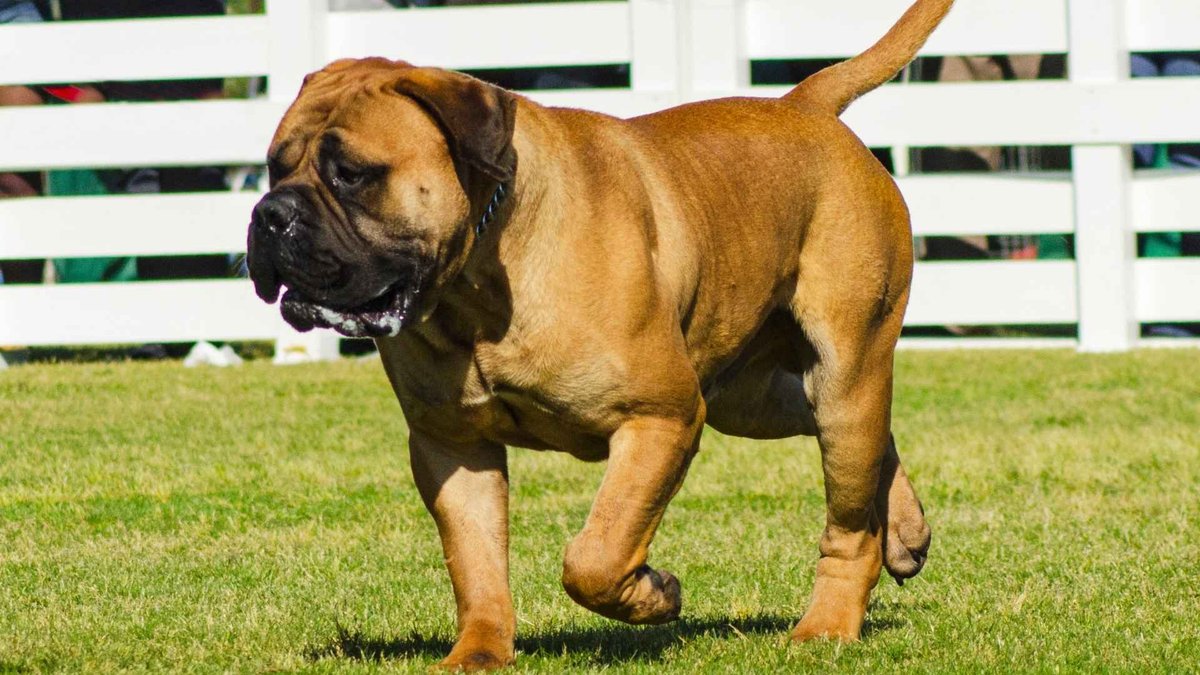
Few things are as endearing as a happy dog greeting you at the door, but for owners of certain dog breeds prone to drooling, that greeting might come with a side of slobber. While a little bit of drool is a normal part of canine life, some dogs are built to be prolific droolers, turning every shake, yawn, or excited greeting into a minor, wet event. If you're considering welcoming one of these lovable giants (or surprisingly small companions) into your home, understanding why they drool and which breeds are the champions of slobber is crucial for a happy, albeit wetter, life together.
At a Glance: Key Takeaways on Drooling Dogs
- Anatomy is Key: Large jowls, loose lips, and flat snouts are common culprits.
- Brachycephalic Breeds: Dogs with short, flat faces often drool more due to breathing difficulties and mouth structure.
- Not Just for Big Dogs: While many large breeds top the drool charts, smaller brachycephalic dogs can also be quite slobbery.
- Owner Preparation: Wiping cloths, regular cleaning, and awareness of drool-prone habits are essential.
- Know the Difference: Persistent, normal drooling is genetic; sudden, excessive drooling can be a sign of a health issue and warrants a vet visit.
The Slobber Factor: Why Some Dogs Are Built to Drip
Have you ever wondered why your friend's Golden Retriever might only drool when food is involved, while your neighbor's Saint Bernard seems to have a perpetually wet chin? It all comes down to a fascinating mix of genetics and anatomy. Certain dog breeds are simply designed in a way that makes containing saliva a genuine challenge.
Imagine trying to hold water in a leaky bucket. That's essentially the dilemma for many drool-prone pups. Their facial structures—specifically large, pendulous jowls, loose lips, and sometimes flat snouts—don't form a tight seal around their mouths. This allows saliva, which is always being produced, to accumulate and then escape, often in dramatic fashion.
The Brachycephalic Connection
A significant group of dogs known for their distinctive flat or "smooshed" faces falls into the category of brachycephalic breeds. Think of breeds like Bulldogs, Boxers, and Pugs. Their unique anatomy, characterized by a shortened skull, often comes with a host of related features:
- Shallow Mouths: Less space for their tongues and saliva.
- Loose Skin and Facial Folds: These can trap moisture and make it harder to keep the mouth clean and dry.
- Breathing Challenges: Many brachycephalic dogs struggle with efficient breathing due to narrow nostrils, elongated soft palates, and constricted airways. This often leads to open-mouthed breathing, which makes it nearly impossible to contain saliva. When a dog breathes through an open mouth, gravity and the lack of a tight lip seal do the rest, resulting in noticeable drooling.
Beyond brachycephaly, other breeds might just have exceptionally deep jowls or lips that hang low, acting like natural reservoirs and funnels for saliva. It's not a flaw, but rather a characteristic that defines their appearance and, yes, their drooling potential.
Top Droolers: Breeds That Will Keep You Wiping
Ready to meet the breeds most likely to bless your floors, walls, and clothing with affectionate (and wet) souvenirs? Here's an authoritative rundown of the dogs known for their significant slobber output, along with the reasons behind their moist reputation.
Saint Bernards: The Gentle Giants of Drool
These majestic, compassionate giants are perhaps the quintessential drooling breed. Saint Bernards boast massive heads, coupled with loose, pendulous jowls and lips that offer little to no barrier for saliva.
- Why they drool: Their sheer size means more mouth, more jowl, and more space for saliva to pool. After drinking, eating, or any form of exercise, prepare for a cascade. Even a simple head shake can create a picturesque (if messy) spray.
- Living with them: A "drool rag" is not a luxury; it's a necessity. Keep one strategically placed in every room your Saint Bernard frequents.
The Mighty Mastiff Family: A Symphony of Slobber
The Mastiff family encompasses several impressive breeds, all known for their formidable size and, you guessed it, their substantial drooling capabilities. This includes the English Mastiff, Bullmastiff, Dogue de Bordeaux, Cane Corso, and Tibetan Mastiff.
- Why they drool: Massive heads, heavy, pendulous jowls, and loose lips are common traits across these breeds.
- English Mastiff & Bullmastiff: Their sheer scale and deep jowls mean saliva containment is a losing battle.
- Dogue de Bordeaux & Cane Corso: These are also brachycephalic, meaning their flat snouts exacerbate the issue by making mouth closure difficult and sometimes causing open-mouthed breathing.
- Tibetan Mastiff: While often fluffier, they still possess the heavy jowls and broad heads that contribute to slobber.
- Living with them: Expect to frequently wipe surfaces, especially lower walls and furniture. Their size means those drool trails can extend further than you might think!
Newfoundlands: Water Dogs Who Love to Slobber
These magnificent "nanny dogs" are renowned for their gentle nature and their love for water. Ironically, their anatomy for water retrieval also makes them excellent droolers.
- Why they drool: Newfoundlands have jowls specifically designed to help them retrieve things from the water. While practical for swimming, these jowls act as perfect traps and funnels for saliva on land, leading to significant slobber after a drink or swim.
- Living with them: Their thick, water-resistant coats can also hold moisture, so be prepared for dampness around their faces and chests.
Bloodhounds: Scent Detectives with Droopy Lips
With their iconic long, droopy ears and wrinkled faces, Bloodhounds are master trackers. These very features, however, contribute to their reputation as considerable droolers.
- Why they drool: The loose skin around their mouths and prominent, overhanging flews (lips) make it almost impossible for them to keep saliva from escaping. This effect is often amplified when they are actively tracking a scent, as their heightened focus and open mouths allow more drool to form and drip.
- Living with them: Owners often joke about "slobber strings" that appear as the Bloodhound moves its head. Keep cleaning cloths handy, especially after walks.
Boxers: Energetic Slobber Monsters
Playful, energetic, and fiercely loyal, Boxers are beloved companions. Their distinctive brachycephalic face, however, positions them firmly on the list of drool-prone breeds.
- Why they drool: Boxers have short snouts, prominent underbites, and relatively loose lips. This combination makes it challenging for them to form a tight seal, especially after drinking, during exercise, or when excited. Saliva escapes easily.
- Living with them: Regular wiping of their mouths helps minimize the mess, but expect some slobber when they're particularly enthusiastic or just finished a good run.
Great Danes: The Elegant, Drooling Giants
Often called "Apollo of Dogs," Great Danes exude elegance and grace. But their imposing size comes with big jowls that inevitably lead to significant drooling.
- Why they drool: Their large mouths and protruding, loose lips make saliva containment difficult. Drooling is particularly noticeable after meals or when they're taking a big drink. Their height means that when they shake their heads, drool can reach surprising elevations on walls and furniture!
- Living with them: Consider where your Great Dane eats and drinks, and be prepared for frequent cleaning of vertical surfaces, not just floors.
Basset Hounds: Low Riders, High Droolers
Instantly recognizable by their long, velvety ears and melancholic expressions, Basset Hounds are another breed with anatomy that predestines them for drooling.
- Why they drool: While not brachycephalic, Basset Hounds possess exceptionally long, droopy lips and loose skin around their mouths. These overhanging lips create perfect pockets for saliva to collect, leading to noticeable drips and trails, particularly when they're sniffing the ground (which they do often!).
- Living with them: Their low stature means slobber tends to stay closer to the ground, but don't underestimate their ability to fling it with a head shake.
Bulldogs (English and French Varieties): Wrinkles and Wetness
Both the English and French Bulldogs, with their distinctive wrinkled faces and compact, muscular builds, are prime examples of brachycephalic droolers.
- Why they drool:
- English Bulldogs: Their flat, heavily wrinkled snouts and the way the corners of their mouths often hang down make saliva control a constant battle. Facial folds can also trap moisture.
- French Bulldogs: While generally less slobbery than their English cousins, French Bulldogs are also brachycephalic. They may drool excessively if they are breathing open-mouthed due to Brachycephalic Obstructive Airway Syndrome (BOAS), especially during exertion or in warm weather.
- Living with them: Regular cleaning of their facial folds is crucial to prevent skin infections, and this also helps manage moisture buildup.
Bernese Mountain Dogs: Fluffy Friends with Occasional Drips
These beautiful, tri-colored dogs are known for their calm demeanor and loyalty. While not as consistently slobbery as some on this list, Bernese Mountain Dogs certainly have their moments.
- Why they drool: Bernese Mountain Dogs have large mouths and somewhat loose lips. While not as pronounced as a Saint Bernard's, these features contribute to occasional drooling, particularly when they are excited, thirsty, hot, or after strenuous physical activity.
- Living with them: Keep a towel handy, especially during summer months or after playtime, as their drooling can be situational rather than constant.
Pugs: Small Package, Big Slobber Potential
Proof that drooling isn't exclusive to big dogs, Pugs are small, charming, and undeniably brachycephalic.
- Why they drool: Their extremely flat muzzles, prominent facial wrinkles, and shallow mouths make it difficult for Pugs to keep their saliva contained. They often breathe with an open mouth, especially when excited or warm, leading to frequent "slobbery kisses" and general wetness.
- Living with them: Pugs might not produce the sheer volume of a Mastiff, but their constant, small drips can add up. Keep their facial folds clean, too.
Living with a Drooling Dog: Practical Tips for Owners
Embracing a drool-prone breed means accepting a certain level of wetness in your life. But with the right strategies, you can minimize the mess and maximize the joy of living with these wonderful companions.
Drool Management Essentials
The key to coexisting peacefully with a slobbery dog is preparation. Think of it as developing a "slobber strategy."
- The Drool Towel: This is your number one tool. Dedicate several towels or old rags specifically for drool duty. Keep them strategically placed: by the food and water bowls, near the door for greetings, in the car, and certainly near your dog's favorite resting spots.
- Surface Selection: If you're furnishing your home, consider materials that are easier to clean. Leather or certain synthetic fabrics on furniture can be simpler to wipe down than porous textiles.
- Wall Wiping: Especially for taller breeds like Great Danes, drool can reach walls. A quick wipe-down with a damp cloth can prevent dried-on residue.
- Mealtime Protocol: After eating and drinking, many dogs are at their most slobbery. Have a towel ready for a quick face wipe. Some owners even use elevated food and water bowls to reduce the amount of water that dribbles out.
Understanding the "When": Triggers for Drooling
Observing when your dog drools most can help you anticipate and manage it.
- Eating and Drinking: This is a given. Gravity and the act of consuming liquids/solids will lead to more saliva production and spillage.
- Excitement: A new visitor, a walk, or even just seeing you grab their leash can trigger a surge of happy slobber.
- Exercise & Heat: Overheating or heavy breathing during exertion, particularly in brachycephalic breeds, will often result in increased drooling as they try to cool down through panting.
- Anticipation: Just like humans salivate at the smell of a delicious meal, dogs will often drool in anticipation of food, treats, or even a favorite toy.
Hygiene for Drool-Prone Breeds
Beyond just wiping up mess, specific hygiene routines are vital for drooling dogs.
- Regular Mouth Cleaning: For breeds with loose lips or jowls, residual food and saliva can collect, leading to unpleasant odors or even skin irritation. A gentle wipe around the mouth after meals with a damp cloth can make a big difference.
- Facial Fold Care: Brachycephalic breeds like Bulldogs and Pugs have prominent facial folds that can trap moisture and debris. These folds need to be cleaned regularly and thoroughly with a damp cloth and then dried to prevent yeast infections or bacterial growth.
- Dental Health: Good oral hygiene is paramount. While dental issues don't cause the genetic predisposition to drool, poor dental health (like gingivitis or tooth decay) can exacerbate drooling and cause it to become foul-smelling. Regular brushing and vet check-ups are essential. For a more comprehensive understanding of why dogs drool and how to manage it, you might want to check out Our complete guide to doggie drool.
Beyond the Breed: When Drooling Signals Trouble
While a certain level of drooling is normal for the breeds discussed, it's crucial for every owner to distinguish between typical slobber and a potential medical concern. A sudden, significant change in your dog's drooling habits can be an early indicator of an underlying health issue.
Normal vs. Abnormal Drooling
- Normal Drooling: Consistent with the breed, often triggered by food, excitement, exercise, or heat. It's usually clear and relatively odorless.
- Abnormal Drooling (Hypersalivation): This is characterized by a sudden, excessive increase in drool that is out of character for your dog, or drool that is thick, discolored, bloody, or accompanied by a foul odor.
Red Flags and When to Call the Vet
If you notice any of these signs in conjunction with increased drooling, contact your veterinarian immediately. It could be a medical emergency.
- Sudden Onset: If a dog that normally doesn't drool much suddenly starts producing excessive saliva.
- Changes in Behavior: Lethargy, restlessness, pawing at the mouth, difficulty swallowing, loss of appetite, vomiting, or diarrhea alongside drooling.
- Mouth Pain: Whining, reluctance to eat, or difficulty chewing. This can indicate dental disease, a foreign object lodged in the mouth, or even an injury.
- Heatstroke: Excessive drooling, heavy panting, weakness, and disorientation are classic signs of heatstroke, especially in brachycephalic breeds. This is life-threatening and requires immediate veterinary attention.
- Poisoning: Ingestion of toxic plants, chemicals, or human medications can cause sudden, profuse drooling, often accompanied by vomiting, tremors, or collapse.
- Allergic Reactions: Exposure to allergens can sometimes cause facial swelling and increased salivation.
- Nausea: Any condition causing nausea can lead to increased drooling.
- Oral Masses or Tumors: While less common, growths in the mouth can interfere with swallowing and saliva control.
Always err on the side of caution. If something feels "off" with your dog's drooling, a quick call or visit to your vet can provide peace of mind or timely intervention.
Embracing the Slobber: The Joys of High-Drool Breeds
It's easy to get caught up in the practicalities of managing drool, but let's not forget the incredible qualities that make these breeds so beloved. For all their wetness, breeds prone to drooling often possess some of the most endearing traits in the canine world.
Think of the majestic loyalty of a Saint Bernard, guarding your family with a gentle heart. Or the playful antics of a Boxer, always ready for a game and a slobbery kiss. Newfoundlands are legendary for their calm demeanor and protective instincts, while Mastiffs offer unwavering devotion. Even the smaller, wrinkly Pugs bring endless amusement and affection to their homes.
Choosing a drool-prone dog isn't about tolerating a messy trait; it's about choosing a companion whose unique anatomy is part of their charm and identity. It means choosing a dog that brings immense love, joy, and often, a sense of gravitas or humor to your life. The drool is simply a small, manageable price to pay for such wonderful friendships.
Final Thoughts: Choosing Your Companion Wisely
Deciding to bring any dog into your home is a significant commitment, and for breeds known for their drooling, it requires an extra layer of preparation and understanding. If the thought of constant wiping, occasional drool trails, or even a surprise "slobber sling" makes you recoil, then a high-drool breed might not be the best fit for your lifestyle or cleanliness standards.
However, if you're someone who can laugh off a little mess, appreciate the unique characteristics that come with breeds like the Saint Bernard or Dogue de Bordeaux, and are ready to arm yourself with a stack of drool rags, then these dogs offer boundless love, companionship, and personality. Researching their specific needs, understanding their anatomical predispositions, and being ready to embrace a slightly wetter existence will ensure a happy and harmonious life for both you and your magnificent, slobbery friend.