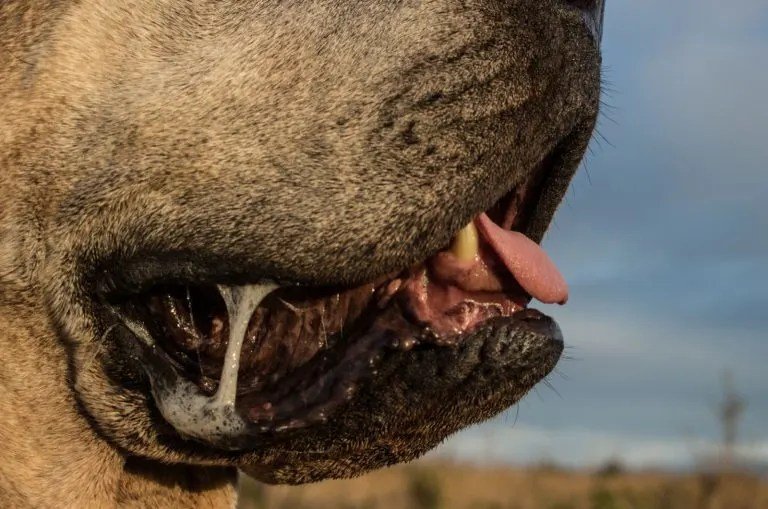
When you notice your dog drooling more than usual, it's easy to dismiss it as just "being a dog." Yet, a sudden increase in slobber can be a significant red flag, often pointing directly to underlying dental health problems. Far from a mere annoyance, excessive dog drooling can be your pet's way of signaling discomfort, infection, or even a serious emergency. Understanding this connection is key to keeping your furry friend happy, healthy, and pain-free.
At a Glance: What You Need to Know About Dog Drooling & Dental Health
- Excessive drooling (ptyalism) is rarely normal. While some breeds are naturally slobbery, a sudden change in drooling patterns usually indicates a health issue.
- Dental problems are a leading cause. Gum disease, cracked teeth, infections, and oral growths often trigger increased saliva production.
- Drool is a defense mechanism. Your dog's body uses excess saliva to try and rinse away bacteria, reduce inflammation, or soothe irritation.
- Pain is often hidden. Dogs are masters at concealing pain, so excessive drooling might be one of the few visible signs of a painful dental condition.
- Not always dental. Severe drooling can also signal non-dental emergencies like poisoning, heatstroke, or severe nausea.
- Proactive care is vital. Regular at-home brushing combined with professional veterinary dental cleanings can prevent most drooling-related dental issues.
Beyond the Slobber: Why Your Dog's Drool Might Be Talking to You
We love our dogs for their quirks, and sometimes, a little drool is just part of the package. Think of a Saint Bernard or a Mastiff; they're practically synonymous with a good ol' slobber. For these breeds, heavy drooling can be a natural anatomical trait due to their jowls and facial structure. But what about the dog who typically keeps their chin dry, suddenly starting to drip? That's when your journalist's instincts should kick in.
Normal vs. Excessive Drooling: The Difference
The crucial distinction lies between normal, breed-specific drooling and ptyalism—the medical term for excessive, uncontrolled saliva production. If your dog isn't one of the naturally drooly breeds, or if their usual drooling level suddenly escalates, it's time to pay attention. This sudden increase often suggests an underlying health issue, with a significant number of these issues originating in your dog's mouth.
The Biological Reason Behind Excessive Drooling
Why does the body respond this way? It's a natural, protective mechanism. When there's irritation, inflammation, or infection in the mouth—be it from bacterial buildup, a painful tooth, or a foreign object—the salivary glands go into overdrive. The body attempts to:
- Rinse away irritants: Just like our own mouths produce more saliva when something spicy or irritating is present, a dog's body tries to flush out bacteria or food debris.
- Soothe inflammation: Saliva contains enzymes and compounds that can help reduce inflammation and provide temporary relief to irritated tissues.
- Aid in digestion: While not the primary cause of excessive drooling, saliva is always involved in moistening food and initiating digestion, a process that can be disrupted by oral pain.
Essentially, when your dog drools excessively, their body is sounding an alarm, trying to protect itself from something unwelcome or painful.
The Silent Culprits: Dental Issues Hiding Behind the Drool
Poor dental health is one of the most common yet frequently overlooked causes of excessive drooling in dogs. Our canine companions are notoriously stoic, often hiding their pain until a problem becomes severe. This is why paying attention to secondary signs like drooling is so critical.
Gum Disease: The Pervasive Periodontal Threat
Imagine your gums constantly inflamed and infected. That's life with periodontal disease for many dogs. It starts innocently enough with plaque buildup, a sticky film of bacteria that hardens into tartar. This tartar irritates the gums, leading to gingivitis (inflammation) and, if unchecked, progresses to full-blown periodontal disease. This is where bacteria infiltrate below the gum line, destroying supporting bone and tissue.
The chronic irritation and infection from gum disease directly stimulate the salivary glands to work harder. They're attempting to wash away bacteria and soothe the inflamed tissues, leading to noticeable drooling. Without intervention, this silent disease not only causes chronic pain and tooth loss but can also lead to more serious systemic infections affecting vital organs like the heart, kidneys, and liver. Understanding Dog Gum Disease can help you spot the early warning signs before they escalate.
Tooth Troubles: Cracks, Cavities, and Abscesses
Just like humans, dogs can suffer from cracked teeth, cavities (though less common than in humans), and painful tooth root abscesses. These conditions cause intense pain, making chewing and swallowing difficult. A dog might drop food, avoid hard kibble, or chew only on one side of their mouth.
When a tooth is cracked or a deep infection is present, the mouth ramps up saliva production as a protective response. The extra drool helps to lubricate the mouth, reduce friction against sensitive areas, and potentially dilute bacterial load. Because dogs tend to hide their pain, excessive drooling might be one of the first overt signs that a particular tooth is causing significant discomfort. You might also notice them pawing at their mouth or rubbing their face.
Uninvited Guests: Oral Growths and Foreign Objects
Sometimes, the culprit isn't bacteria but something physical obstructing or irritating the mouth.
- Oral Growths: Tumors (both benign and malignant) or warts can grow anywhere in the mouth. These growths can interfere with normal swallowing, make the mouth feel "full," or become irritated, leading to increased drooling. They can also cause discomfort or pain, further stimulating saliva production. Regularly checking your dog's mouth for lumps or bumps is a crucial preventative measure. If you spot anything unusual, a prompt vet visit is essential. Spotting Oral Tumors in Dogs early can make a significant difference in treatment outcomes.
- Foreign Objects: Dogs, bless their curious hearts, often chew on things they shouldn't. Splinters from sticks, tiny bone fragments, pieces of toys, or even blades of grass can get lodged between teeth, under the tongue, or in the roof of the mouth. These foreign bodies cause immediate irritation, pain, and an instinctive increase in saliva to try and dislodge them. If drooling persists despite good oral hygiene, a foreign object is a strong possibility and warrants a vet examination.
A Tell-Tale Sign: The Unmistakable Bad Breath
While bad breath, or halitosis, isn't a direct cause of drooling, it's almost always a sign of underlying dental disease. The same bacterial buildup that causes plaque, tartar, and gum inflammation is responsible for that foul odor. As these bacteria proliferate and irritate the gums, they contribute to the cycle of inflammation and increased saliva production.
Therefore, if your dog's breath could knock a buzzard off a outhouse, and they're drooling excessively, you almost certainly have a dental health problem on your hands. Addressing the bad breath means addressing the dental disease, which, in turn, often resolves the excessive drooling. For a deeper dive into this common issue, exploring Tackling Your Dog's Bad Breath can offer valuable insights.
When Drool Isn't Just Dental: Emergency Signals You Can't Ignore
While dental issues are a prime suspect for excessive drooling, it's crucial to remember that slobber can also be a symptom of non-dental emergencies. These situations demand immediate veterinary attention.
Poisonous Encounters
Dogs explore the world with their mouths, which sometimes leads them to ingest toxic substances. Common household chemicals, certain plants (like sago palms, lilies, or azaleas), human medications, and even some foods (like chocolate, xylitol, or grapes) can be poisonous. One of the body's first responses to ingesting a toxin can be profuse drooling, often accompanied by vomiting, lethargy, or tremors. The drooling is an attempt to flush the poison out or reduce its corrosive effects.
Overheating Concerns: Heatstroke
Heatstroke is a life-threatening condition for dogs, especially in hot weather or during strenuous exercise. When a dog overheats, its body struggles to regulate temperature. Symptoms include excessive panting, bright red gums, lethargy, weakness, and, critically, heavy drooling. The drooling is often frothy and signals a severe emergency.
Sudden Nausea and Other Illnesses
Just like humans, dogs can feel nauseous for various reasons—car sickness, gastrointestinal upset, or a reaction to medication. Nausea often triggers increased salivation. If excessive drooling is accompanied by vomiting, diarrhea, loss of appetite, or general malaise, it could indicate a digestive issue, pancreatitis, kidney disease, or another systemic illness.
Actionable: When to Seek Emergency Vet Care
If your dog suddenly starts drooling excessively, especially if it's accompanied by any of these other signs, do not wait. Immediately contact your veterinarian or an emergency animal hospital.
- Sudden, profuse drooling with no obvious cause.
- Drooling accompanied by vomiting, retching, or gagging.
- Lethargy, weakness, disorientation, or collapse.
- Swelling around the mouth or face.
- Difficulty breathing or exaggerated panting.
- Any suspicion of toxin ingestion.
These are not "wait and see" symptoms. Prompt veterinary care can be life-saving.
Fighting Back: A Two-Pronged Approach to Oral Health
Preventing and treating dental issues—and the excessive drooling that often accompanies them—requires a consistent, multi-faceted strategy. Think of it as teamwork between you and your vet.
Professional Dental Care: The Non-Negotiable Foundation
While daily home care is incredibly important, it cannot replace professional veterinary dental cleanings. Here’s why:
- Below the Gum Line: Your toothbrush can only reach the visible surfaces of the teeth. Plaque and tartar often accumulate under the gum line, where they cause the most damage and trigger inflammation. A professional cleaning allows the vet to thoroughly scale away this hidden buildup.
- Comprehensive Examination: Under anesthesia, your vet can perform a detailed oral exam, checking every tooth, gum pocket, and all oral tissues for issues like fractured teeth, deep infections, foreign objects, or growths that might be missed during an awake exam.
- Dental X-rays: Often, the most significant problems are invisible. Dental X-rays reveal the health of the tooth roots and surrounding bone, allowing detection of abscesses, bone loss, or unerupted teeth that are causing pain beneath the surface.
- Early Intervention: Regular professional cleanings allow vets to detect and address dental issues early, preventing them from becoming severe, painful, and costly problems.
These professional cleanings are typically performed under general anesthesia, ensuring your dog's safety, comfort, and cooperation for a thorough procedure. It's a critical investment in your pet's overall health and well-being. For more details on what these cleanings entail and why they're so important, read our guide on The Importance of Professional Dog Dental Cleanings.
Daily Dental Habits: Empowering You at Home
Your daily efforts make a huge difference in managing plaque and keeping your dog's mouth healthy between vet visits.
- Brush Their Teeth Regularly: This is the gold standard of at-home dental care. Aim for several times a week, ideally daily. Use a pet-specific toothbrush and toothpaste (never human toothpaste, which contains xylitol and fluoride that are toxic to dogs). Start slowly, making it a positive experience with treats and praise. Even a minute or two of brushing can significantly reduce plaque buildup.
- Tip: Start by letting them lick the toothpaste off your finger, then introduce the brush for short periods, gradually increasing duration.
- Offer Dental Chews and Toys: Not all dental products are created equal. Look for veterinarian-approved dental chews that have been scientifically proven to reduce plaque and tartar. Ensure they are appropriate for your dog's size and chewing style to prevent choking or tooth fractures. Similarly, certain dental toys are designed with textures that help scrape plaque.
- Caution: Avoid overly hard items like real bones, antlers, or nylon chews, which can easily break teeth.
- Schedule Annual Veterinary Check-ups: Beyond just dental cleanings, these annual visits are crucial for your vet to perform a preliminary oral examination. They can spot early signs of gum disease, abnormal growths, or other issues, guiding you on whether a professional cleaning is warranted.
- Vigilant Monitoring: What to Watch For: You are your dog's best advocate. Pay attention to subtle changes:
- Bad Breath: A strong, foul odor is almost always a sign of trouble.
- Changes in Chewing Habits: Dropping food, chewing only on one side, reluctance to eat hard food or toys.
- Visible Issues: Red, swollen, or bleeding gums; yellow or brown tartar buildup on teeth; loose or missing teeth; lumps or bumps in the mouth.
- Behavioral Shifts: Pawing at the face, rubbing face on furniture, sudden irritability when touched near the mouth.
- Drooling Patterns: Any sudden increase or change in the consistency of drool.
By combining these home care strategies with professional veterinary attention, you create a robust defense against dental disease and the distress it can cause, including excessive drooling. For a more detailed guide on how to integrate these practices into your routine, check out our resource on Mastering At-Home Dog Dental Care.
Common Questions About Drooling and Dog Dental Health
It's natural to have questions when your dog's habits change. Here are some common inquiries about drooling and oral health:
"My dog is a naturally drooly breed, should I still be concerned?"
Yes, absolutely. While breeds like Saint Bernards or Boxers naturally produce more saliva, a sudden increase or a change in the quality of drool (e.g., thicker, discolored, or frothy) in any breed, including traditionally drooly ones, is a cause for concern. It still signals an underlying problem. Always monitor for other symptoms like bad breath, difficulty eating, or pawing at the mouth, even in the drooliest of pups.
"Can diet affect my dog's drooling and dental health?"
Indirectly, yes. While no specific diet will stop drooling caused by dental disease, certain diets can help prevent plaque buildup. Some prescription dental diets are specifically formulated with unique kibble shapes or special coatings to help scrape plaque off teeth as your dog chews. However, diet alone is rarely sufficient to prevent all dental issues, and it certainly won't fix existing severe problems. Always consult your vet for dietary recommendations tailored to your dog's specific needs.
"Is it too late to start dental care for an older dog?"
It's never too late to improve your dog's quality of life! Older dogs often have more significant dental disease, which can cause chronic pain and affect their overall health. While the procedures might be more complex, addressing dental issues in older dogs can significantly improve their comfort, appetite, and energy levels. Your vet will conduct a thorough pre-anesthetic workup to ensure your senior dog is a good candidate for dental procedures, focusing on minimizing risks. Even if full extractions aren't possible, improving hygiene can make a big difference.
The Bottom Line: Don't Dismiss the Drool
Excessive dog drooling is more than just a messy inconvenience; it's a vital communication from your pet. Often, it's a clear indicator of discomfort or pain stemming from dental problems—issues that are entirely preventable and treatable with the right approach. By understanding the causes, implementing consistent home care, and prioritizing professional veterinary dental check-ups, you can safeguard your dog's oral health, reduce their risk of serious pain, and keep that charming slobber at a manageable, healthy level. Don't wait for the drool to become a cascade; be proactive in protecting your dog's smile and their overall well-being. For a deeper dive into everything related to your dog's salivary habits and health, Explore all things doggie drool.