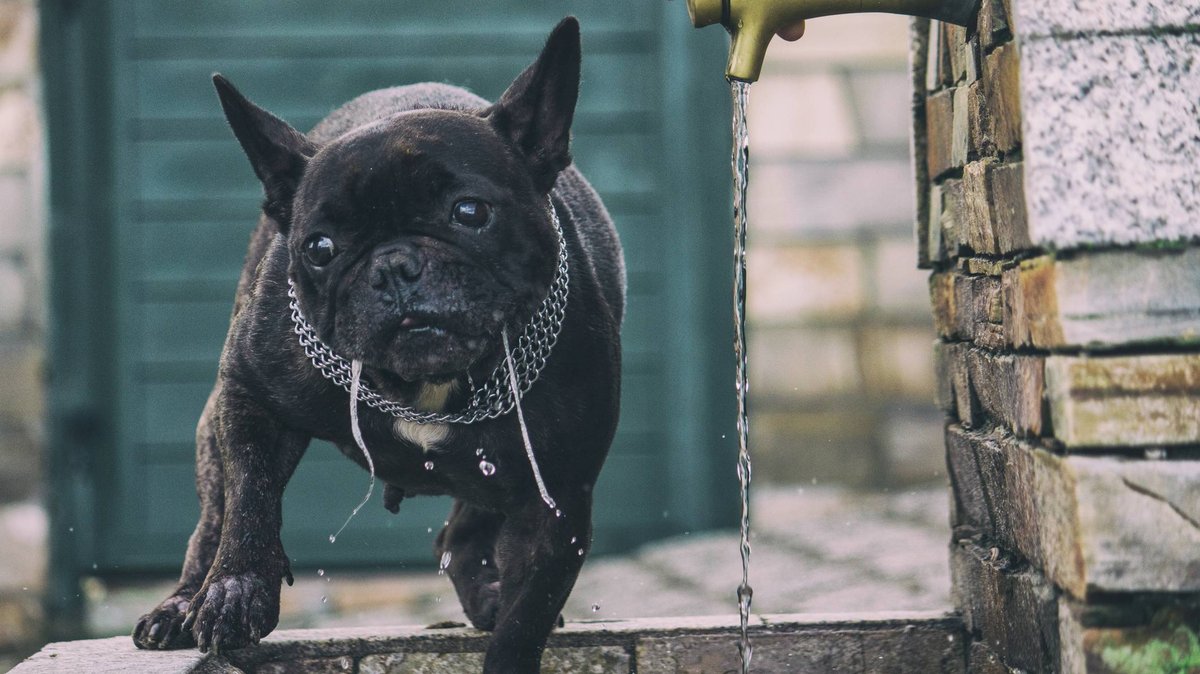
Few things tug at a dog owner's heartstrings like a slobbery kiss, but a sudden, relentless deluge of drool is usually less charming and more alarming. If you've noticed your furry friend's salivary glands working overtime, it's natural to wonder, "What causes excessive dog drooling, and is it serious?" While some breeds are naturally more prone to a bit of slobber, an unusual increase, especially if it appears out of nowhere, is a clear signal that something's amiss and often points to an underlying medical concern. This isn't just a messy nuisance; it's your dog trying to tell you they need help.
At a Glance: Key Takeaways on Excessive Dog Drooling
- Not Always Normal: While some breeds are naturally drooly, a sudden increase in salivation in any dog is usually a sign of a problem.
- Common Culprits: Causes range from simple nausea or mouth irritation to serious issues like foreign objects, toxins, or neurological conditions.
- Check Their Mouth: Oral pain, injuries, or dental disease are frequent reasons for increased drooling.
- Emergency Situations: Drooling accompanied by vomiting, lethargy, difficulty breathing, or behavioral changes demands immediate vet attention.
- Don't "Wait and See": Excessive drooling is rarely a condition that resolves on its own; prompt veterinary evaluation is crucial for diagnosis and effective treatment.
When "Normal" Drool Becomes a Red Flag
Let's be clear: a little drool is part of the package for many dogs. Those lovable jowls on a Mastiff or Saint Bernard are practically designed for it, and a tasty treat will get most dogs salivating in anticipation. This regular, expected drooling, often called "ptyalism" by vets, is usually nothing to worry about.
However, when the drooling becomes noticeably more intense, more frequent, or starts suddenly, that's when you should pay close attention. This shift indicates that your dog's salivary glands are producing more saliva than usual, or perhaps they're having trouble swallowing it, causing it to escape the mouth excessively. It's their body's way of reacting to pain, irritation, or systemic distress. Understanding this difference is the first step in knowing when to act. You can learn more about doggie drool and its nuances here.
The Usual Suspects: Common Causes of Excessive Drooling
Excessive drooling can stem from a wide array of issues, some minor, others life-threatening. Here's a breakdown of the most frequent causes that could be affecting your pet.
Oral & Dental Dilemmas
Your dog's mouth is a busy place, and it's often the first spot to check when excessive drooling starts. Problems here are incredibly common causes.
- Periodontal Disease: This is a big one. Think gingivitis, stomatitis, and other forms of gum disease. Just like in humans, plaque and tartar buildup irritate the gums, leading to pain, inflammation, and increased saliva production. You might notice bad breath, red gums, or difficulty chewing.
- Mouth Injuries: Did your dog chew on something they shouldn't have? Blunt force trauma, cuts from sharp objects (like bones or sticks), or even a foreign body lodged between teeth or in the roof of the mouth can cause significant pain and irritation, triggering a flood of drool. Look for blood, pawing at the mouth, or reluctance to eat.
- Oral Tumors: Lumps or growths in the mouth, whether benign or malignant, can irritate tissues, block salivary ducts, or cause discomfort, leading to drooling. These are especially concerning in older dogs.
- Infections: Bacterial or viral infections within the mouth can cause inflammation and pain, leading to increased salivation.
- Sialocele: This is essentially a saliva-filled cyst that forms when a salivary gland or duct is damaged. It usually appears as a soft, fluid-filled swelling under the tongue or in the neck, and can interfere with normal swallowing.
- Chemical or Electrical Burns: Exploring caustic chemicals (like battery acid or strong cleaners) or chewing on electrical cords can cause severe burns inside the mouth, leading to intense pain, lesions, bleeding, and, of course, drooling.
Gut Feelings: Gastrointestinal Issues
A significant number of excessive drooling cases are linked to problems in the digestive tract, primarily because nausea is a powerful stimulant for salivation.
- Nausea & Vomiting: Whether from car sickness, eating something spoiled, or an underlying illness, nausea often makes dogs drool profusely as a precursor to vomiting.
- Esophagitis & Gastritis: Inflammation of the esophagus (the tube connecting the mouth to the stomach) or the stomach lining itself can cause irritation, pain, and reflexively, drooling.
- Pancreatitis: This painful inflammation of the pancreas can cause severe nausea, abdominal discomfort, and often leads to excessive drooling alongside vomiting and lethargy.
- Foreign Body Obstruction: If your dog has swallowed something that's stuck in their esophagus or stomach, it can cause severe discomfort, gagging, and drooling as their body tries to dislodge it.
- Inflammatory Bowel Disease (IBD): Chronic inflammation of the digestive tract can lead to persistent nausea, vomiting, diarrhea, and intermittent drooling.
- Acid Reflux: Similar to heartburn in humans, stomach acid backing up into the esophagus can cause irritation and stimulate salivation.
Toxins, Bites, and Burns: Dangerous Encounters
Many common household items, plants, and even other animals can pose a toxic threat to your curious canine, often resulting in heavy drooling.
- Poisonous Plants: Many common houseplants and garden plants are toxic to dogs. Ingestion can cause oral irritation, stomach upset, and drooling (e.g., lilies, sago palm, philodendron).
- Toxic Foods: Human foods like chocolate, xylitol (a sugar substitute), grapes/raisins, onions, garlic, and avocado can be highly toxic to dogs, leading to various symptoms including drooling, vomiting, and more severe systemic effects.
- Medications & Chemicals: Accidental ingestion of human medications, cleaning products, pesticides, or even certain pet-specific medications in overdose can cause poisoning and intense salivation.
- Animal Venoms: Licking or biting certain toads (especially bufotoxins from Cane Toads), spider bites, or snake bites can introduce venoms that cause local irritation, neurological symptoms, and excessive drooling.
Pain Signals: When Something Hurts
Dogs are masters at hiding pain, but excessive drooling can sometimes be a direct symptom of discomfort, particularly if it's severe or ongoing.
- Abdominal Pain: Pain in the belly, perhaps from a gastrointestinal issue, organ inflammation, or internal injury, can manifest as restlessness, loss of appetite, a distended abdomen, and significant drooling.
- Dental Pain: As mentioned with periodontal disease, a broken tooth, an abscess, or severe gum inflammation can cause intense pain, leading to pawing at the mouth, reluctance to eat hard food, and increased salivation.
- Other Pain: While less common to cause excessive drooling on its own, severe pain from conditions like arthritis, back injuries, or even trauma can lead to general distress and associated drooling in some sensitive dogs.
Stress & Anxiety: Emotional Overload
Just like humans sweat when stressed, dogs can drool when anxious or fearful. This is a common physiological response.
- Situational Stress: A trip to the vet, a car ride, thunderstorms, fireworks, moving to a new house, or being introduced to new people or pets can trigger anxiety.
- Symptoms: This type of drooling is often accompanied by other signs of stress like panting, restlessness, whining, pacing, hiding, or diarrhea. It typically resolves once the stressful situation passes.
Neurological Niggles: Brain & Nerve Issues
Sometimes, the problem isn't with the salivary glands themselves, but with the nerves that control them, or with the brain itself.
- Difficulty Swallowing (Dysphagia): If a dog can't swallow properly due to a throat obstruction, nerve damage, or a structural issue, saliva will build up and spill out of the mouth.
- Seizures: During or after a seizure, dogs often drool excessively due to loss of muscle control and altered neurological function.
- Brain Tumors: Growths in the brain can affect various functions, including the control of salivation or swallowing reflexes, leading to increased drooling.
- Nerve Damage: Damage to the nerves that supply the salivary glands or the muscles of the face and throat can impair normal function.
- Rabies & Tetanus: These are serious (and thankfully rare due to vaccination) viral and bacterial infections, respectively, that can cause neurological symptoms including excessive drooling and difficulty swallowing.
Systemic Sickness & Congenital Quirks
Sometimes, drooling can be a symptom of a broader health issue or a condition your dog was born with.
- Infections: Beyond oral infections, certain systemic viral or bacterial infections can cause generalized sickness, nausea, and drooling.
- Congenital Defects: Some dogs are born with structural abnormalities that can lead to drooling. Examples include hiatal hernia (where part of the stomach slides into the chest cavity) or a portosystemic shunt (an abnormal blood vessel that bypasses the liver), both of which can cause nausea and associated drooling.
Heatstroke & Acid Reflux: Environmental & Internal Irritants
Two other notable causes include overheating and a persistent internal irritation.
- Heatstroke: When a dog overheats, they pant excessively to try and cool down. This rapid breathing stimulates saliva production, leading to profuse drooling. Other signs include red gums, rapid heart rate, weakness, vomiting, and eventual collapse. This is a medical emergency.
- Acid Reflux: Chronic or severe acid reflux can irritate the esophagus, triggering increased salivation as the body tries to soothe the irritation.
Beyond the Basics: Key Insights into Dog Drooling
Understanding some common patterns can help you and your vet pinpoint the issue more quickly.
Upset Stomach: More Than Just Drool
If your dog is drooling excessively and also seems uninterested in food, vomits, or has diarrhea, an upset stomach or nausea is a very strong candidate. This combination of symptoms should always prompt a call to your vet, as dehydration and electrolyte imbalances can quickly become serious.
Aging Dogs: Not Just "Getting Old"
It's a common misconception that increased drooling is just a normal part of aging for dogs. This is rarely the case. While older dogs might be less active, new or increased drooling in a senior pet often signals an underlying issue such as dental disease (which worsens with age), oral tumors, or even kidney/liver problems causing nausea. Don't dismiss it as just "old age."
One-Sided Drooling: A Localized Clue
If you notice drool only coming from one side of your dog's mouth, this is a significant clue. It usually points to a localized problem on that side. This could be a broken tooth, a severe gum infection, an oral tumor, a foreign object stuck in the cheek or between teeth, or even facial nerve dysfunction affecting one side of their face. A thorough oral examination is critical here.
Drooling and Licking: A Sign of Discomfort
When a dog is drooling excessively and constantly licking their lips, it's often a strong indication of acute nausea, irritation in their mouth or throat, or that they've tasted something bitter or toxic. This combination suggests a direct sensation of discomfort or a bad taste that they're trying to cope with.
Emergency Alert: When Drooling Demands Immediate Vet Attention
While some causes of drooling are less urgent, many situations require immediate veterinary care. Seek emergency help if excessive drooling is accompanied by any of the following:
- Vomiting or regurgitation: Especially if persistent or severe.
- Diarrhea: Particularly if it's bloody or severe.
- Bleeding: From the mouth, nose, or any other part of the body.
- Lethargy, weakness, or collapse: Your dog seems unusually tired, disoriented, or can't stand.
- Loss of appetite or significant changes in eating behavior: Refusing to eat for more than 12-24 hours.
- Behavioral changes: Sudden aggression, whining, confusion, pacing, shaking, hiding, or unusual vocalizations.
- Dizziness, head-tilting, or trouble with balance: Signs of neurological distress.
- Difficulty breathing or swallowing: Gagging, coughing, blue gums, or labored breathing.
- Uneven pupils or facial paralysis: Indicating nerve or brain involvement.
- Restlessness or excessive panting: Especially in a warm environment.
- Abdominal distention: A swollen or hard belly.
- Pawing at the mouth: Suggests oral pain or a foreign object.
- Foaming at the mouth: Often associated with seizures or severe toxicity.
- Known exposure to toxins, poisons, or new medications: Don't wait for symptoms to worsen.
- Sudden one-sided drooling or rapid, severe salivation: These are often signs of acute, painful problems.
If you observe any of these signs, don't hesitate. Call your emergency vet immediately.
Cracking the Code: How Vets Diagnose Excessive Drooling
When you bring your drooling dog to the vet, they'll embark on a methodical process to uncover the root cause. This typically involves:
- Thorough Physical Exam: The vet will carefully examine your dog from nose to tail, paying special attention to the mouth, teeth, gums, tongue, throat, and neck for any signs of injury, foreign objects, swelling, or lesions. They'll also check for abdominal pain, listen to heart and lungs, and assess overall hydration and demeanor.
- Detailed Medical History: You'll be asked a series of questions:
- When did the drooling start? Was it sudden or gradual?
- Are there other symptoms (vomiting, diarrhea, lethargy, coughing, changes in appetite)?
- What is your dog's vaccination status (especially rabies)?
- Have there been any recent changes in diet, medications, or environment?
- Could your dog have accessed any toxins, poisonous plants, or foreign objects?
- Has your dog had any recent trauma or fights with other animals?
- Basic Diagnostic Tests:
- Bloodwork: This often includes a Complete Blood Count (CBC) to check for infection or inflammation, and a Chemistry Panel to assess organ function (kidneys, liver, pancreas) and electrolyte balance.
- X-rays (Radiographs): Plain X-rays of the chest and abdomen can help identify foreign objects, tumors, signs of organ enlargement, or other internal abnormalities.
- Advanced Diagnostics (If Needed):
- Ultrasound: For detailed imaging of abdominal organs.
- CT Scan or MRI: To visualize the brain, spinal cord, or complex structures in the head and neck in greater detail, especially for suspected neurological issues or tumors.
- Endoscopy: A small camera inserted into the esophagus, stomach, or colon to visualize the lining, identify foreign bodies, or take biopsies.
- Surgical Biopsy: In some cases, surgical exploration and tissue sampling may be necessary for definitive diagnosis of tumors or other conditions.
Getting Back to Normal: Treatment Options
The treatment for excessive drooling is entirely dependent on the underlying cause. There's no one-size-fits-all solution, but here are common approaches:
- Dental Treatment: For periodontal disease or broken teeth, a professional dental cleaning, scaling, polishing, and potentially tooth extractions are necessary.
- Medications:
- Antibiotics: For bacterial infections (oral, gastrointestinal, or systemic).
- Anti-nausea medications: To alleviate vomiting and reduce drooling associated with nausea.
- Pain relief: Non-steroidal anti-inflammatory drugs (NSAIDs) or other analgesics for pain from injuries, inflammation, or dental issues.
- Anti-inflammatory drugs: To reduce swelling and irritation.
- Antacids or acid reducers: For acid reflux or gastritis.
- Surgery: Required for removing foreign objects, repairing trauma (e.g., severe mouth injuries), excising tumors, or correcting congenital defects like hiatal hernias.
- Radiation or Chemotherapy: For malignant oral or systemic tumors.
- Medicated Mouthwash: For specific oral infections or inflammation, diluted chlorhexidine or benzoyl peroxide rinses may be prescribed.
- Fluid Therapy: Intravenous (IV) fluids are crucial for rehydrating dogs who have been vomiting or refusing to drink.
- Toxin-Specific Therapies: Depending on the ingested poison, specific antidotes, activated charcoal to absorb toxins, or supportive care to manage symptoms may be administered.
- Anxiety Management: For stress-induced drooling, strategies include environmental modification, calming supplements, pheromones, or in some cases, anti-anxiety medication.
A Proactive Approach: Preventing Excessive Drooling
While not all causes are preventable, many cases of excessive drooling can be avoided with a few proactive measures.
- Prevent Gastrointestinal Upset:
- Slow Diet Transitions: Always introduce new foods gradually over several days to avoid stomach upset.
- Avoid Table Scraps: Many human foods are too rich, fatty, or even toxic for dogs. Stick to a balanced dog food.
- Guard Against Foreign Objects & Toxins:
- "Dog-Proof" Your Home: Keep all medications, cleaning supplies, human foods, and poisonous plants out of reach.
- Supervised Play: Monitor your dog during playtime, especially with toys that can break apart or small objects.
- Leashed Walks: Prevents your dog from scavenging unknown items or licking potentially toxic substances.
- Secure Trash Cans: Prevent access to discarded food or hazardous waste.
- Maintain Excellent Oral Health:
- Regular Teeth Brushing: Daily brushing with dog-specific toothpaste is the gold standard.
- Dental Chews, Wipes, & Water Additives: Can supplement brushing, but are rarely sufficient on their own.
- Professional Dental Cleanings: Follow your vet's recommendations for routine cleanings under anesthesia.
- Prevent Heatstroke:
- Fresh Water Access: Always provide plenty of fresh, cool water.
- Never Leave in Hot Cars: Even for a few minutes, temperatures can skyrocket.
- Avoid Over-Exercising in Heat: Schedule walks during cooler parts of the day.
- Provide Shade: Ensure outdoor dogs have ample access to shade.
- Manage Anxiety: Identify triggers and work with your vet or a certified professional dog trainer to implement behavior modification techniques or medication if necessary.
Your Next Step: Don't Wait and See
Excessive dog drooling is rarely a benign "wait and see" condition. It's a clear signal from your pet that something is wrong, and that "something" can range from easily treatable to life-threatening. The sooner the cause is identified, the sooner appropriate treatment can begin, and the better the outcome for your beloved companion.
If you notice a sudden, unusual, or persistent increase in your dog's drooling, especially when accompanied by any other concerning symptoms, make an appointment with your veterinarian without delay. Your prompt action could very well save your dog's life and get them back to giving those delightful, normal slobbery kisses once again.